MemoHive publishes an amount for every ingredient, which means this page can do something most ingredient analyses cannot: compare each printed figure directly with the dose its research used. Four of the five fall short.
The direct answer
Five ingredients, every amount printed: BCAA 540 mg, bacopa 200 mg, rhodiola 100 mg, L-theanine 100 mg, panax ginseng 90 mg. The BCAA is sports nutrition with no cognition evidence; of the four brain ingredients, only the L-theanine reaches its studied range.
New or worsening memory problems deserve a doctor's assessment before a supplement. Thyroid disease, vitamin B12 deficiency, depression, poor sleep, alcohol and many common medications all affect memory — and most are treatable once identified. MemoHive is not a treatment for dementia or Alzheimer's disease, and the brand says so too.
The full panel
| Ingredient | On the label | What the research used |
|---|---|---|
| Branched Chain Amino Acids 2:1:1 (L-leucine, L-isoleucine, L-valine) | 540 mg | 5–20 g for muscle; no established cognition evidence |
| Bacopa Monnieri Extract (Brahmi) | 200 mg | 300–450 mg, 12 weeks; bacoside standardisation not stated |
| Rhodiola Rosea Extract (golden root, 3% salidroside) | 100 mg | 200–600 mg daily; trials use a different standardisation |
| L-Theanine (from tea leaves) | 100 mg | 100–400 mg; at the bottom of the range |
| Panax Ginseng Extract (Asian ginseng) | 90 mg | 200–400 mg; no ginsenoside standardisation stated |
| Total per serving | 1030 mg | of which 490 mg is aimed at the brain |
The split nobody mentions
Read the total the way a buyer comparing products would. Of 1,030 mg, 540 mg is branched chain amino acids — 52%, and a sports ingredient. The four ingredients aimed at cognition total 490 mg. Someone choosing MemoHive over a 600 mg competitor on the strength of the bigger number is not comparing like with like.
Comparing MemoHive bundles
The MemoHive discount is applied by bundle size: $79 a bottle for two, $69 for three, $49 for six. Three bottles covers the 12 weeks bacopa's research uses.
Check MemoHive Bundle PricesOfficial website checkout · 60-day guarantee · confirm the terms before paying
Every ingredient, examined
1. Branched Chain Amino Acids 2:1:1 — 540 mg (L-leucine, L-isoleucine, L-valine) Not supported
52% of the formula of the formula · studied at 5–20 g daily, for muscle endpoints
Why is a sports supplement the biggest ingredient in a memory formula?
This is the finding that matters most. BCAAs are the single largest component at 540 mg — over half the headline 1,030 mg — and they are a sports-nutrition ingredient with no established memory or cognition evidence.
Branched chain amino acids are three essential amino acids studied mainly for muscle protein synthesis and exercise recovery, at daily intakes measured in grams: typically 5 to 20 g. At 540 mg this is a small fraction of even its own sports dose. More to the point, no body of human research supports BCAAs for memory, recall or cognitive performance in healthy adults. There is a further wrinkle worth knowing: BCAAs share a transporter with tryptophan and tyrosine at the blood-brain barrier, so large intakes can in principle reduce the brain's uptake of those precursors — the opposite direction from a nootropic rationale. At 540 mg that effect is unlikely to be meaningful, but it is not an argument in the ingredient's favour either.
Worth knowing: Generally well tolerated at this amount; people with maple syrup urine disease must avoid BCAAs entirely, and anyone with liver or kidney disease should ask first. · NIH ODS — fact sheets
2. Bacopa Monnieri Extract — 200 mg (Brahmi) Partly
19% of the formula of the formula · studied at 300–450 mg daily for 12 weeks
Is 200 mg of bacopa enough to do anything?
It is the most credible ingredient here for memory — and it sits below the amount the trials used, with the one specification that matters left off the label.
Bacopa is the ingredient in this formula with the best claim to a memory effect: randomised trials have reported modest improvements in memory acquisition and recall, typically at 300 to 450 mg daily of a standardised extract taken for at least 12 weeks. MemoHive provides 200 mg. The bigger issue is standardisation: bacopa's activity is attributed to bacosides, and the trials use extracts standardised to a stated bacoside percentage. The label gives no bacoside figure, so a 200 mg extract could be anywhere from close to the studied material to a long way from it. That single missing number is the most consequential omission on an otherwise transparent panel.
Worth knowing: Commonly causes digestive upset, especially on an empty stomach; may interact with thyroid medication and sedatives. · NCCIH — herbs at a glance
3. Rhodiola Rosea Extract — 100 mg (golden root, 3% salidroside) Partly
10% of the formula of the formula · studied at 200–600 mg daily
Does 100 mg of rhodiola help with fatigue or stress?
Rhodiola has real research for mental fatigue, but at two to six times this amount — and the standardisation quoted is not the one the trials used.
Rhodiola is studied for fatigue and mental performance under stress, generally at 200 to 600 mg daily. MemoHive provides 100 mg, below that range. The standardisation is worth reading carefully too: the label states 3% salidroside, while the extract used in most of the well-known trials (SHR-5) is standardised to roughly 3% rosavins and about 1% salidroside. A 3% salidroside extract is a different specification, not a stronger version of the same one, so trial results do not transfer across automatically. To the brand's credit, stating any standardisation at all is more than most labels manage.
Worth knowing: May be stimulating and disturb sleep if taken late; caution with antidepressants and in bipolar disorder. · NCCIH — rhodiola
4. L-Theanine — 100 mg (from tea leaves) Partly
10% of the formula of the formula · studied at 100–400 mg; 200 mg typical for attention
Is 100 mg of L-theanine a working dose?
This is the closest the formula comes to a studied amount — it is at the bottom of the range rather than under it, which is a real if modest distinction.
L-theanine is an amino acid from tea studied for calm, focused attention, often alongside caffeine. Study doses span roughly 100 to 400 mg, with 200 mg the most common single dose in attention research. At 100 mg MemoHive sits at the low end of the studied span rather than below it, which makes this the best-dosed ingredient in the formula. Note that much of the attention research pairs L-theanine with caffeine, and there is no caffeine here, so the most-studied combination is not what you are taking.
Worth knowing: Well tolerated; may add to the effect of blood-pressure medication or sedatives. · NIH ODS — fact sheets
5. Panax Ginseng Extract — 90 mg (Asian ginseng) Not supported
9% of the formula of the formula · studied at 200–400 mg daily of standardised extract
What is 90 mg of ginseng doing here?
It is the smallest ingredient and the furthest below its studied range — closer to a label mention than a working dose.
Panax ginseng has been studied for mental performance and fatigue, usually at 200 to 400 mg daily of an extract standardised to a stated ginsenoside content. MemoHive provides 90 mg, under half the low end, and the label states no ginsenoside percentage. The evidence base for cognition is mixed even at full doses, with reviews noting inconsistent results and variable extract quality. At this amount, in an unstated standardisation, it is the ingredient least likely to contribute anything measurable.
Worth knowing: Can interact with warfarin, diabetes medication and stimulants; may affect blood sugar and cause insomnia. · NCCIH — Asian ginseng
The two missing standardisations
This is the one place the transparency stops short, and it matters more than it looks.
Bacopa. Its activity is attributed to bacosides, and every trial uses an extract standardised to a stated bacoside percentage. MemoHive prints 200 mg of extract and no bacoside figure, so the material cannot be compared with the studied material at all. On an otherwise exemplary panel, this is the most consequential omission.
Panax ginseng. Same issue, smaller stakes given the amount: no ginsenoside percentage is stated, so 90 mg of extract could represent a wide range of actual actives.
To be fair, the rhodiola does carry a standardisation (3% salidroside), which is more than most labels manage — it simply is not the standardisation the main trials used.
Reading the formula as a whole
These are five legitimate, conventional ingredients, honestly labelled. The formula's weakness is not deception; it is arithmetic. More than half the mass does nothing for cognition, and of the remainder only the L-theanine reaches the range its research used. An honest label showing small doses is far better than a dishonest one — and it is still small doses.
Cautions and interactions
- Panax ginseng: can reduce the effect of warfarin, may affect blood sugar with diabetes medication, and can add to stimulants.
- Rhodiola: can be stimulating and disturb sleep; caution alongside antidepressants and in bipolar disorder.
- Bacopa: commonly causes digestive upset on an empty stomach; may interact with thyroid medication and sedatives.
- BCAAs: must be avoided entirely in maple syrup urine disease; ask first with liver or kidney disease.
Read how these work together, or see the claim-by-claim benefit rulings.
Questions people ask about this
What are the ingredients in MemoHive?
Branched chain amino acids 2:1:1 at 540 mg, bacopa monnieri extract at 200 mg, rhodiola rosea extract at 100 mg, L-theanine at 100 mg and panax ginseng extract at 90 mg — 1,030 mg per two-capsule serving, every amount printed.
Is 200 mg of bacopa a proper dose?
It is below the 300–450 mg used in trials, and no bacoside standardisation is printed — which is the figure bacopa's research actually depends on.
Which ingredient is correctly dosed?
L-theanine at 100 mg sits at the bottom of its studied 100–400 mg range. It is the only one of the four cognitive ingredients not below range.
Does MemoHive contain caffeine?
No. That is worth knowing because much of the L-theanine attention research pairs it with caffeine, so the most-studied combination is not what you are taking.
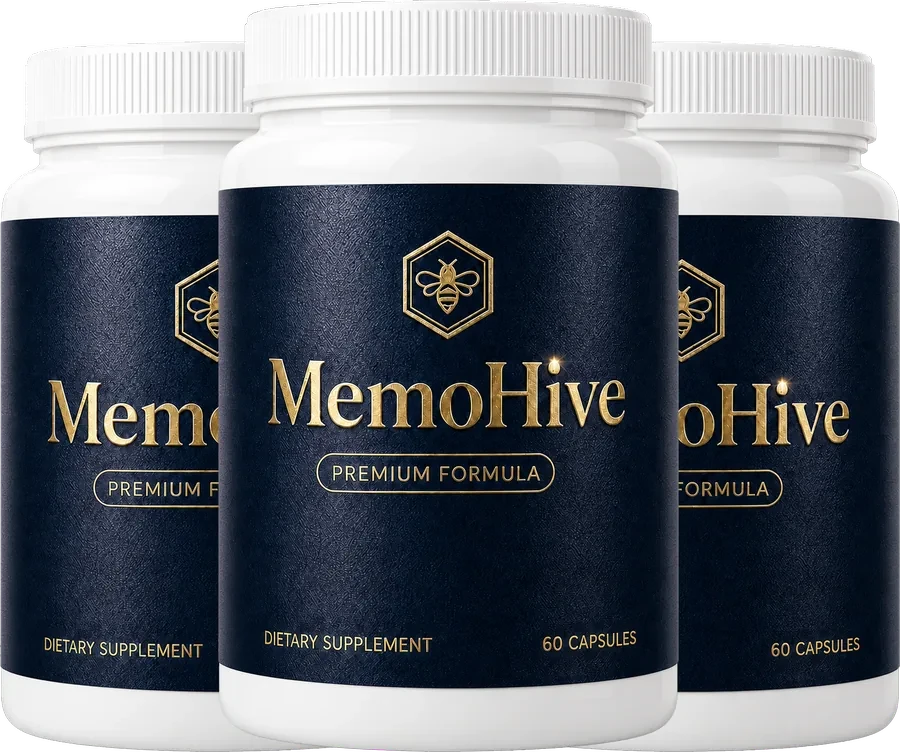
MemoHive Official Website
per bottle on the 6-bottle pack · free US shipping on 3 and 6
Check Current Price 60-day guarantee · official checkout only